
Top 5 GTM Strategy Mistakes to Avoid
Are you making these common GTM strategy mistakes? Find out the top 5 to avoid for ultimate sales success!


Table of Contents
Introduction to GTM Strategies
So, you’ve got an amazing new product or service ready to hit the market. But how do you make sure it actually succeeds? That’s where GTM Strategy comes in. GTM stands for Go-to-Market, and having a solid GTM Strategy is like having a treasure map that guides you through the process of introducing your offering to the world.
Imagine you’re embarking on a great adventure, and your GTM Strategy is your trusty compass, pointing you in the right direction to reach your destination – success! It helps you navigate through the challenges of launching a new product or service by outlining a plan that considers your target market, competition, messaging, launch plan, and more.
Think of GTM Strategy as your game plan for bringing your creation to the spotlight and making sure it shines brightly. It’s like setting the stage for a blockbuster show where your product or service is the star, and everyone in the audience can’t wait to see what you have to offer.
So, buckle up and get ready to dive into the world of GTM Strategies where we’ll uncover the secrets to a successful market entry. Ready? Let’s go!
Mistake: Not Understanding Your Market
When it comes to launching a new product, one of the biggest mistakes companies can make is not understanding their market. This can lead to a failed product rollout and wasted resources. Let’s dive into why market segmentation is crucial for the success of your GTM strategy.
What is Market Segmentation?
Market segmentation is the process of dividing potential customers into groups based on shared characteristics such as demographics, behaviors, or needs. By understanding the different segments within your market, you can tailor your product and messaging to meet the specific needs of each group.
The Role of Research
Researching your market before launching a product is essential. This means gathering data on your target customers, understanding their preferences and pain points, and identifying opportunities for growth. By conducting thorough research, you can make informed decisions that will resonate with your audience and increase the likelihood of a successful product rollout.
Mistake: Forgetting About Your Competitors
When you’re getting ready to launch a new product, it’s essential to keep an eye on what your competitors are up to. Why? Well, understanding what other businesses in your market are doing can actually help your product succeed. By knowing what features they offer, how they market their products, and what their strengths and weaknesses are, you can position your own product more effectively.

Image courtesy of via Google Images
Imagine you’re preparing to release a new type of video game console. If you don’t pay attention to what other gaming companies are doing, you might miss out on key trends in the industry. Maybe your competitors are adding virtual reality capabilities to their consoles, and your product doesn’t. By keeping tabs on your rivals, you can stay ahead of the game and offer a product that meets or exceeds what they’re doing.
So, next time you’re planning a product launch, don’t forget to take a good look at your competitors. It could make all the difference in the success of your endeavor!
Complicated Messaging
When it comes to launching a product or service, one of the biggest mistakes companies can make is having complicated messaging. But why is keeping your product messages clear and simple so crucial in the world of GTM Strategy?
Imagine you are walking down the street and see a billboard with a message that is long, confusing, and filled with technical jargon. Will you take the time to decipher what it is trying to say, or will you simply walk past it? Most likely, you will ignore it because it requires too much effort to understand.
This scenario is similar to what happens when companies fail to simplify their product messages. Customers are bombarded with information every day, and if they cannot quickly grasp the benefits of a product or service, they are likely to move on to something else.
Clear and simple messages cut through the noise and make it easy for potential customers to understand what you are offering. By using plain language and focusing on the core benefits of your product, you can capture the attention of your target audience and increase the chances of a successful launch.
Ignoring Customer Feedback
When you launch a new product or service, it’s crucial to pay attention to what your customers are saying. Ignoring customer feedback can be a big mistake in your GTM strategy. Early users of your product can provide valuable insights that can help you improve and tailor your offering to better meet their needs.
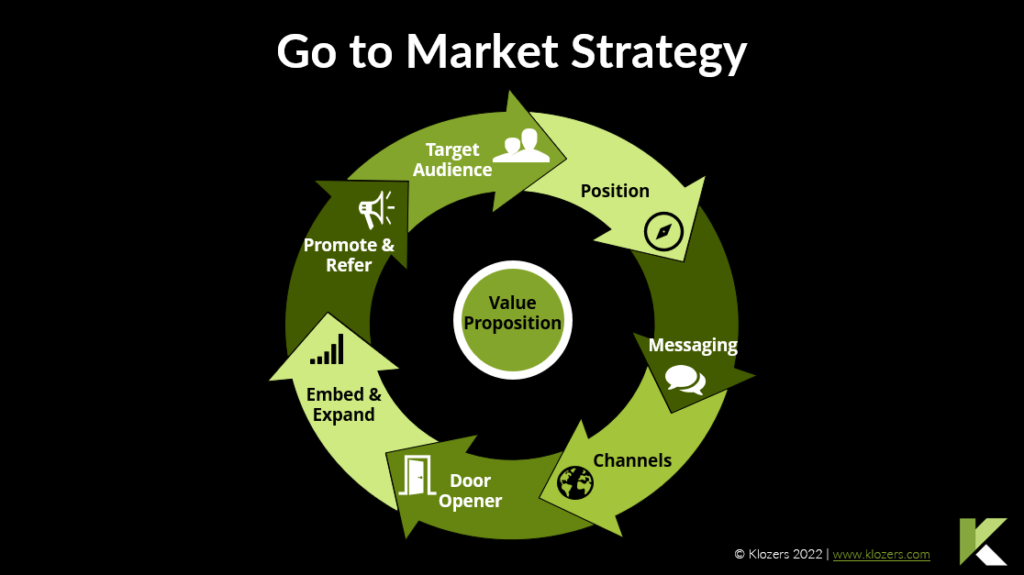
Image courtesy of via Google Images
How to Use Feedback
There are several ways you can collect and act on feedback from customers. One common method is to set up surveys or questionnaires to gather opinions and suggestions. You can also monitor social media channels and online reviews to see what people are saying about your product.
Once you have collected feedback, it’s essential to analyze the data carefully. Look for patterns or trends in the responses, and identify areas where your product may be falling short. By listening to your customers and making changes based on their feedback, you can demonstrate that you value their input and are committed to providing a better experience.
Mistake: Not Having a Clear Launch Plan
When it comes to introducing a new product or service to the market, having a well-thought-out launch plan is crucial. Without a clear roadmap for how you will bring your offering to customers, you risk missing out on key opportunities and failing to make a significant impact. Let’s delve into why a solid launch plan is essential for a successful product rollout.
Steps of a Successful Launch Plan
1. Define Your Goals: Before launching your product, it’s essential to establish clear and measurable objectives. What do you hope to achieve with this launch? Are you aiming to generate a certain number of sales, increase brand awareness, or gain a specific market share?
2. Identify Your Target Audience: Understanding who your target customers are will help you tailor your messaging and positioning to resonate with them. Conduct market research to identify key demographic and psychographic characteristics of your audience.
3. Develop a Marketing Strategy: Your launch plan should outline how you will reach your target audience through various marketing channels. Will you leverage social media, email marketing, influencer partnerships, or traditional advertising? Determine which tactics will be most effective in reaching your goals.
4. Set a Timeline: Establish a timeline that includes key milestones leading up to and following the product launch. This timeline should account for pre-launch activities, the launch itself, and post-launch engagement strategies.
5. Allocate Resources: Ensure that you have the necessary resources in place to execute your launch plan effectively. This includes budgeting for marketing campaigns, hiring any additional staff needed, and securing any necessary partnerships or collaborations.
By following these steps and creating a comprehensive launch plan, you can set your product up for success and maximize its impact in the market. Remember, a clear and well-executed launch plan can make all the difference in how your product is received by consumers.
The Role of Adaptation in GTM Strategy
When you’re planning to introduce a new product or service into the market, it’s crucial to have a solid Go-to-Market (GTM) strategy in place. However, sometimes even the best-laid plans can hit roadblocks due to unforeseen circumstances. This is where adaptation plays a key role in ensuring the success of your GTM strategy.
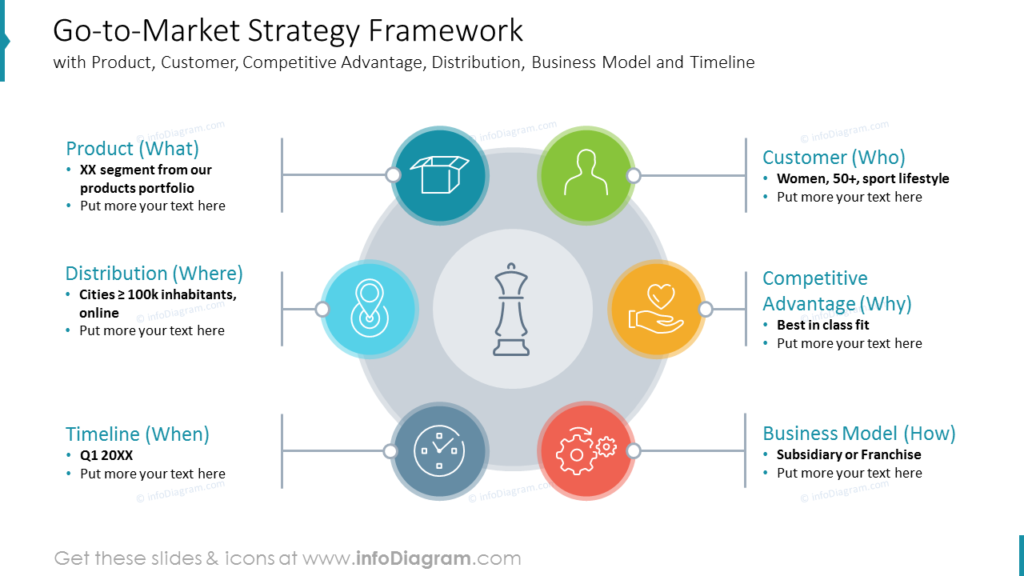
Image courtesy of via Google Images
Why Adaptation Matters
Adaptation is all about being flexible and willing to change your strategies based on the response you receive from the market. Markets are constantly evolving, and what worked yesterday may not work tomorrow. By being open to adaptation, you can stay ahead of the curve and adjust your approach to better meet the needs of your target audience.
Responding to Market Feedback
One of the main reasons why adaptation is important in GTM strategy is the feedback you receive from customers. Listening to what your customers have to say about your product or service can provide valuable insights that can help you improve and refine your offerings. By taking this feedback into account and making necessary changes, you can ensure that your GTM strategy remains relevant and effective.
By being willing to adapt and make changes as needed, you can increase your chances of success when bringing a new product or service to market. Remember, the key to a successful GTM strategy is not just in the planning, but in how you respond and adjust based on the real-world feedback you receive.
Conclusion: Key Takeaways
As we wrap up our discussion on the top GTM Strategy mistakes to avoid, it’s essential to recap the key points we’ve covered to ensure your product rollout is a success. By keeping these important takeaways in mind, you can steer clear of common pitfalls and set yourself up for a smooth market entry.
Understanding Your Market and Segmentation
Remember, market segmentation involves categorizing potential customers based on similar characteristics. By researching and understanding your market segments, you can tailor your product rollout strategy to meet their specific needs and preferences.
Keeping an Eye on Competitors
Don’t forget to analyze your competition and understand what they’re doing in the market. This knowledge can help you differentiate your product and position it effectively to stand out from the crowd.
Simplicity in Messaging
When crafting your product messaging, simplicity is key. Avoid complex jargon and messages that could confuse your target audience. Clear and straightforward messages resonate better with customers.
Listening to Customer Feedback
Customer feedback is invaluable in refining your product and ensuring its success. Actively listen to your customers, gather feedback, and make necessary adjustments to enhance their experience with your product.
Having a Clear Launch Plan
A well-structured launch plan is crucial for a successful product rollout. Outline the steps needed for a smooth launch, including setting goals, timelines, and allocating resources effectively.
By incorporating these key takeaways into your GTM Strategy, market entry, launch plan, and product rollout, you can navigate the challenges of introducing a new product with confidence. Remember, flexibility and adaptability are also essential in adjusting your strategies based on market response. Avoiding these common GTM Strategy mistakes will set you on the path to a successful product launch.