
GTM Mastery: How to Dominate the Market with a Winning Strategy
Unleash the power of GTM mastery and watch your market dominance soar with these expert tips and strategies revealed!


Table of Contents
As a business owner, marketer, or startup founder in the B2B space, a well-crafted Go-To-Market (GTM) strategy is essential in driving growth and success. In this comprehensive guide, we’ll explore the key components of creating a successful GTM strategy that will help you maximize your growth potential and dominate the market.
Understanding the Market
Before diving into crafting your GTM strategy, it’s crucial to have a deep understanding of the market you’re operating in. Conduct thorough market research and analysis to identify your target audience, market trends, and competitive landscape. By gaining insights into these key areas, you can create a solid foundation for your GTM strategy.
Defining the Value Proposition
Your value proposition is what sets your product or service apart from the competition. Define a compelling value proposition that resonates with your target audience and addresses their specific needs and pain points. Ensure that your value proposition is clear, unique, and communicates the benefits of choosing your offering over others in the market.
Building an Integrated Marketing Plan
Developing an integrated marketing plan is essential in effectively reaching and engaging your target audience. Utilize a mix of online and offline marketing tactics to create brand awareness, generate leads, and drive conversions. Consider leveraging channels such as social media, email marketing, content marketing, and events to maximize your reach and impact.
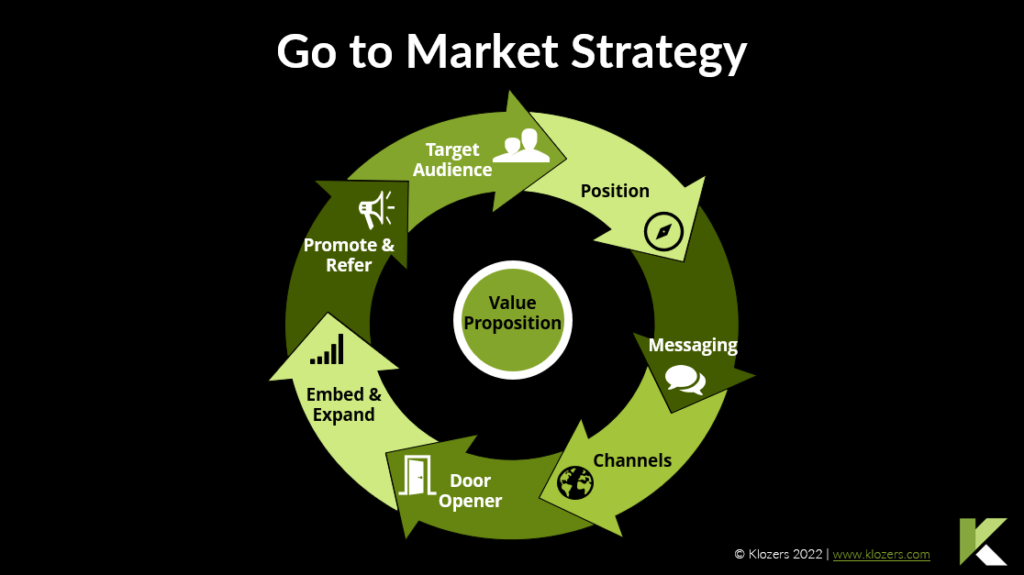
Image courtesy of www.klozers.com via Google Images
Sales Enablement and Support
Enhancing your sales process through effective sales enablement and support is key to driving revenue growth. Equip your sales team with the tools, training, and resources they need to succeed. Ensure alignment between your marketing and sales teams to create a seamless customer experience and maximize sales opportunities.
Measuring Success
Establishing key performance indicators (KPIs) is essential for tracking the effectiveness of your GTM strategy. Monitor and analyze data to evaluate your performance and make data-driven decisions. Regularly review your KPIs and metrics to assess the impact of your efforts and identify areas for improvement.
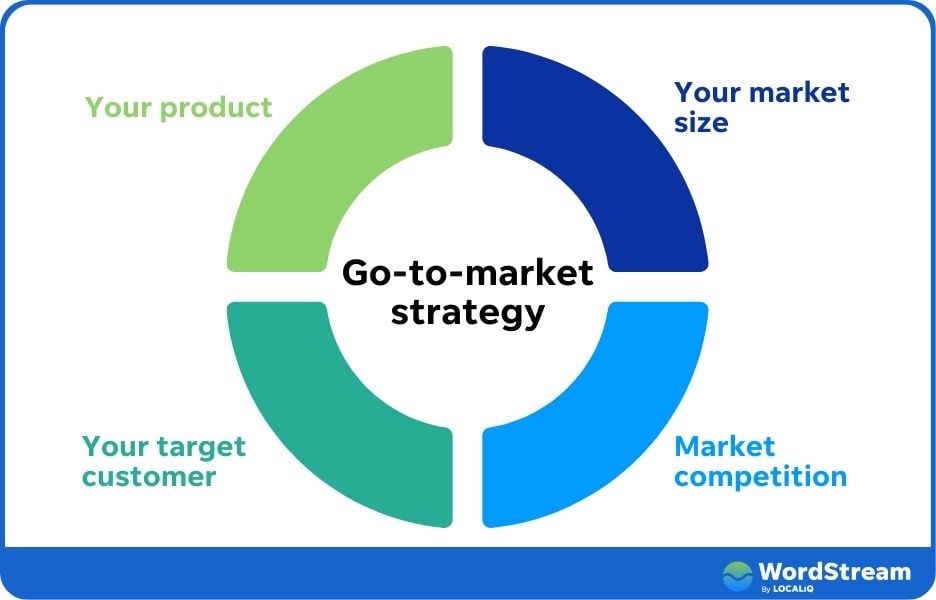
Image courtesy of www.wordstream.com via Google Images
Scaling for Growth
As your business continues to grow, it’s important to develop a scalable GTM strategy that can accommodate expansion and new opportunities. Consider strategies for entering new markets, launching new products, or targeting new customer segments. By scaling your GTM strategy effectively, you can sustain and accelerate your growth trajectory.
Conclusion
In conclusion, mastering the art of GTM strategy is essential for dominating the market and achieving sustainable growth. By understanding your market, defining a compelling value proposition, building an integrated marketing plan, enabling your sales team, measuring success, and scaling for growth, you can position your business for success and stand out in a competitive landscape. Start implementing these strategies today to maximize your growth potential and propel your business to new heights.