
Crafting Catchy Content: Tips for Writing Engaging Blog Posts
Want to spice up your blog content? Learn tips for crafting catchy, engaging posts that will keep your readers hooked!


Table of Contents
- What is a GTM Strategy?
- Why is a GTM Strategy Important for Marketing and Growth?
- What Are Some Effective Marketing Tips for GTM Strategy?
- How Can You Ensure Your GTM Strategy is Aligned with Your Growth Goals?
- What are Some Common Mistakes to Avoid in GTM Strategy?
- How Can You Adapt Your GTM Strategy to Changing Market Conditions?
- How Can You Leverage Data and Analytics in Your GTM Strategy?
- How Can You Continuously Improve Your GTM Strategy for Long-Term Success?
What is a GTM Strategy?
A GTM (Go-to-Market) strategy is a plan that outlines how a company will deliver its products or services to customers and achieve business objectives. It encompasses the marketing, sales, and distribution strategies that will be used to reach target customers and drive growth.
Why is a GTM Strategy Important for Marketing and Growth?
A well-defined GTM strategy is crucial for businesses as it helps align marketing efforts with growth objectives. By having a clear roadmap for how to bring products or services to market, companies can increase their chances of success and maximize their return on investment.
What Are Some Effective Marketing Tips for GTM Strategy?
Define Your Target Market: Conduct market research to identify your ideal customer profile and target audience. This will help you tailor your marketing messages and strategies to reach the right people.
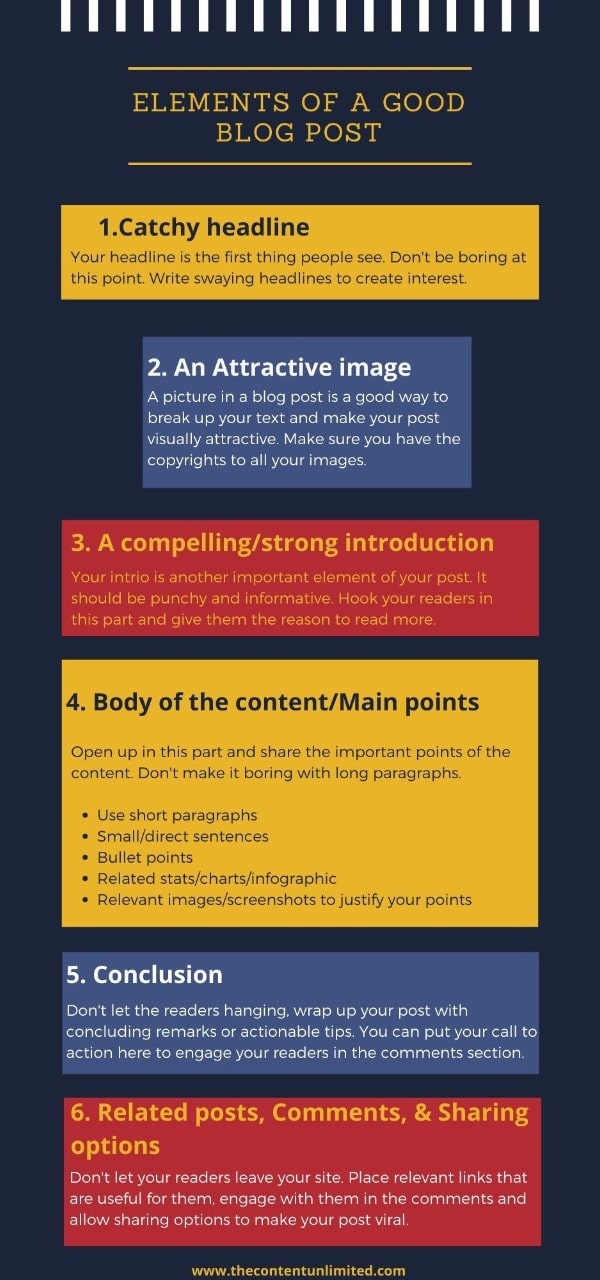
Image courtesy of www.thecontentunlimited.com via Google Images
Create a Compelling Value Proposition: Clearly communicate the unique value that your products or services offer to customers. Highlight what sets you apart from competitors and why customers should choose your business.
Utilize Multiple Marketing Channels: Diversify your marketing efforts by using a mix of online and offline channels such as social media, email marketing, content marketing, and advertising. This will help you reach a wider audience and engage with potential customers in different ways.
How Can You Ensure Your GTM Strategy is Aligned with Your Growth Goals?
To align your GTM strategy with your growth goals, start by clearly defining your business objectives and key performance indicators (KPIs). Regularly track and measure the success of your marketing efforts against these goals to ensure that your strategy is driving the desired outcomes.
What are Some Common Mistakes to Avoid in GTM Strategy?
Some common mistakes to avoid in GTM strategy include:
– Not conducting thorough market research
– Failing to differentiate your products or services from competitors
– Neglecting to adjust your strategy based on feedback and market changes
To overcome these challenges, it’s important to stay agile and continuously evaluate and adjust your GTM strategy as needed.

Image courtesy of bloghands.com via Google Images
How Can You Adapt Your GTM Strategy to Changing Market Conditions?
To adapt your GTM strategy to changing market conditions, stay informed about industry trends, customer preferences, and competitor strategies. Be prepared to pivot your marketing tactics, messaging, and channels to remain relevant and competitive in the market.
How Can You Leverage Data and Analytics in Your GTM Strategy?
Utilizing data and analytics is essential for optimizing your GTM strategy. By collecting and analyzing data on customer behavior, market trends, and campaign performance, you can make informed decisions, identify opportunities for improvement, and refine your marketing tactics to better reach your target audience.

Image courtesy of optinmonster.com via Google Images
How Can You Continuously Improve Your GTM Strategy for Long-Term Success?
To continually improve your GTM strategy for long-term success, prioritize ongoing learning, experimentation, and adaptation. Stay proactive in seeking feedback from customers, measuring the impact of your marketing efforts, and identifying areas for optimization. By staying agile and responsive to market changes, you can position your business for sustainable growth and success.