
Mastering GTM Strategy: A Primer
Discover the essential steps to mastering your GTM strategy in this comprehensive guide that will transform your business tactics.


Table of Contents
Introduction: What is a GTM Strategy?
In simple terms, a GTM Strategy, or Go-To-Market Strategy, is like a roadmap that helps businesses introduce their new products to the market successfully. It’s an essential plan that guides companies on how to reach potential customers, promote their products, and ultimately make sales.
Think of it as a game plan before a big sports match. Just like a team needs a strategy to win the game, a business needs a GTM Strategy to succeed in selling its products.
GTM Strategy: The Starting Line
When you decide to bring a new product to the market, you need to have a plan in place to ensure its success. That’s where a GTM Plan, or Go-To-Market Strategy, comes in. Let’s dive into the beginning stages of creating your GTM Strategy and the essential steps you need to take as you enter the market.
Understanding Your Market
Before you can effectively sell your product, you need to understand who your potential customers are. Take the time to learn about the people who might be interested in what you have to offer. Find out what they like, what problems they have, and how your product can solve those problems for them.
Setting Clear Goals
Having a clear vision of what you want to achieve by entering the market is essential. Define your goals and objectives. Whether it’s increasing brand awareness, growing your customer base, or generating revenue, having clear goals will guide your GTM Strategy and help you measure your success along the way.
The Building Blocks of GTM
Creating a successful Go-To-Market (GTM) Strategy involves several key elements that work together seamlessly. Let’s dive into the main building blocks of a GTM Strategy and understand how they are crucial for the success of your product or business.

Image courtesy of www.linkedin.com via Google Images
Product Market Fit
Before you launch your product, it’s essential to ensure that there is a demand for it in the market. This means your product needs to solve a problem or fulfill a need that customers have. Conducting market research and gathering feedback from potential users can help you fine-tune your product to fit the market.
Customer Journey
The customer journey outlines the steps a customer takes from first encountering your product to making a purchase. Understanding this journey can help you identify touchpoints where you can engage with customers effectively. Mapping out the customer journey allows you to tailor your marketing strategies to guide customers smoothly through the sales funnel.
By focusing on these building blocks – product market fit and customer journey – you can lay a strong foundation for your GTM Strategy. These elements will help you align your product with customer needs and create a seamless experience that drives sales and fosters growth.
Who Are Your Customers?
When you are trying to sell something, it’s really helpful to have an idea of who might want to buy it. One way to do this is by creating something called a “buyer persona.” This is like making an imaginary friend who represents the people who might be interested in your product.
Knowing Customer Needs
If you want people to buy your product, it’s important to figure out what they really want. This involves understanding their needs and desires. By knowing what your customers are looking for, you can make sure your product is something they find valuable and appealing.
Choosing the Right Channel
When it comes to selling your product, choosing the right channel is crucial. This means deciding the best way to sell and deliver your product to your customers. Let’s dive into understanding the different options available to you.
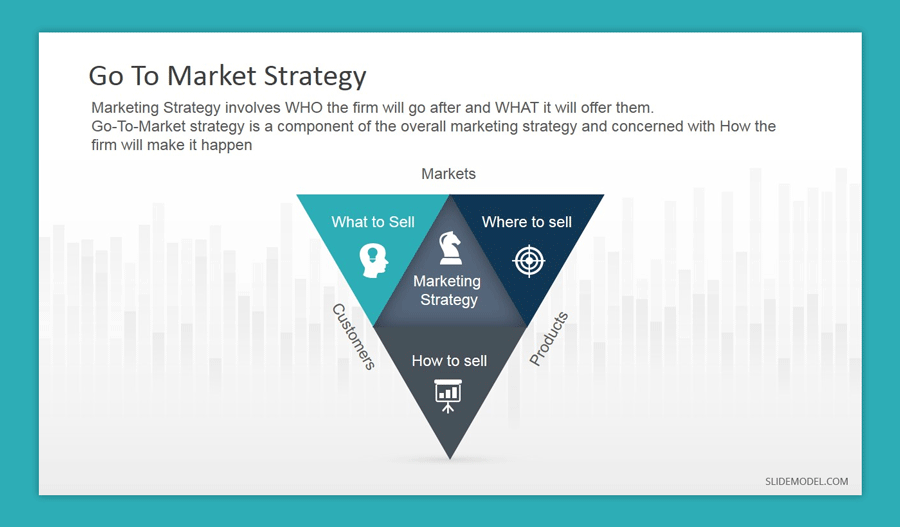
Image courtesy of slidemodel.com via Google Images
Online vs Offline Channels
Online channels refer to selling your product on the internet through websites, social media, or online marketplaces. This method allows you to reach a wide audience and makes it convenient for customers to shop from anywhere at any time. On the other hand, offline channels involve selling your product through physical stores, shops, or events. This can provide a more personalized experience for customers and allows them to see and touch the product before making a purchase.
Deciding between online and offline channels depends on your target market, product type, and business goals. Some products may sell better online, while others may require the in-person touch of a physical store. Understanding your customers and their preferences will guide you in choosing the right channel to reach them effectively.
Getting the Word Out: Promotion
Now that you have a great product ready to hit the market, it’s time to focus on spreading the word to potential customers. Getting the word out about your product is crucial for its success. Let’s explore some fun and effective ways to promote your product!
Advertising Your Product
Advertising is a powerful tool to showcase your product and attract customers. You can consider advertising your product through various channels such as television commercials, online ads, or even placing ads at popular locations where your target audience visits. By creating eye-catching and compelling advertisements, you can grab the attention of potential customers and generate interest in your product.
Social Media Magic
Social media platforms are a fantastic way to connect with your audience and create buzz around your product. By utilizing social media channels like Facebook, Instagram, and Twitter, you can engage with potential customers, share product updates, and even run targeted ad campaigns to reach specific demographics. Social media allows you to interact with your audience in real-time, receive feedback, and build a community of loyal customers who are excited about your product.
The Price is Right
When it comes to selling a product, one important factor to consider is the price. In this section, we will explore how to determine the right price for your product to attract customers while also making a profit.

Image courtesy of www.linkedin.com via Google Images
Understanding Cost and Value
Before setting a price for your product, it’s crucial to understand two key concepts: cost and value. The cost refers to how much it costs you to make or acquire the product. This includes expenses such as materials, labor, and overhead costs. On the other hand, value is how much your customers are willing to pay for your product based on its perceived benefits and features.
By comparing the cost of producing your product with the value customers place on it, you can determine a price that allows you to cover your expenses and generate a profit. It’s important to find a balance where the price is attractive to customers while also ensuring you make enough money to sustain your business.
The Power of Feedback
In the world of business, feedback is like a secret potion that can help make your product even better. Imagine if you were playing a video game and someone gave you tips on how to get to the next level – that’s what feedback does for your product!
Learning from Reviews
Reviews are like little messages from your customers telling you what they liked and didn’t like about your product. It’s like having a bunch of friends giving you advice on how to make things more fun. If someone says they love the color of your toy, you might want to make more toys in that color. Or if they say it’s hard to put together, you can work on making it easier next time.
By listening to what people say, you can make your product even better. It’s like having a treasure map that shows you where the hidden gems are – in this case, the gems are the things that will make your product a big hit!
Making Your GTM Strategy Better Over Time
As you start implementing your Go-To-Market (GTM) strategy, it’s essential to remember that it’s not set in stone. In fact, the best GTM plans are continuously evolving and improving over time. Here are some tips on how to make your GTM strategy better as you learn more about your customers and the market.
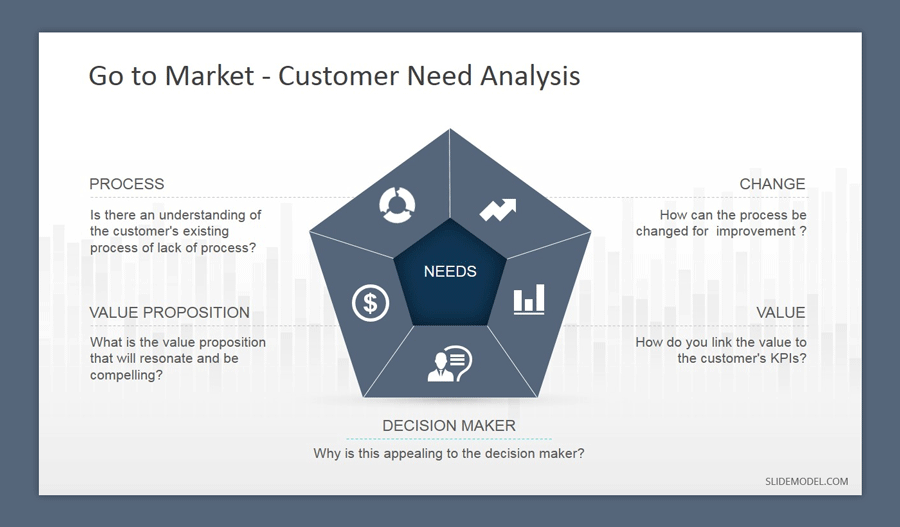
Image courtesy of slidemodel.com via Google Images
Continuous Learning and Adaptation
One of the most crucial aspects of enhancing your GTM strategy is to keep learning from your customers and market trends. Pay attention to what is working well and what needs improvement. Be open to feedback and ready to adapt your strategy based on new insights.
Regularly Review and Update Your GTM Plan
Set aside time periodically to review your GTM plan. Analyze your goals, strategies, and results to see if they align with your current business objectives. Update your plan accordingly to ensure that it stays relevant and effective.
Experiment with New Ideas
Don’t be afraid to try out new approaches and creative ideas. Experiment with different marketing tactics, channels, and messaging to see what resonates best with your target audience. Testing and iterating will help you fine-tune your GTM strategy for better results.
Stay Informed About Industry Trends
Keep yourself updated with the latest trends and developments in your industry. This knowledge can help you anticipate changes in consumer behavior and market dynamics, allowing you to proactively adjust your GTM strategy to stay ahead of the curve.
Seek Feedback from Customers and Team Members
Encourage feedback from your customers and team members on your GTM strategy. Listen to their suggestions, concerns, and ideas for improvement. Valuable insights from those directly involved can provide you with valuable perspectives on how to refine and optimize your approach.
By actively seeking opportunities to learn, adapt, and innovate, you can continuously enhance your GTM strategy for long-term success in the market.
Conclusion: Mastering Your GTM Journey
Embarking on your GTM journey can be an exhilarating experience filled with challenges and triumphs. By integrating a well-thought-out GTM strategy into your business plan, you set the stage for success in the competitive market landscape. Let’s recap the essential elements that will help you master your GTM journey.
Seize the Power of GTM Strategy
From understanding your market to choosing the right channels for distribution, a robust GTM strategy acts as a roadmap to guide your business towards sustainable growth. By crafting a GTM plan that aligns with your business objectives and resonates with your target audience, you can effectively position your product for success.
Continuously Refine Your GTM Plan
Remember, your GTM strategy is not set in stone. As you gather insights from customer feedback and market trends, continue to refine and optimize your approach. By staying agile and adaptable, you can stay ahead of the competition and capitalize on new opportunities that arise.
Embrace the Journey
Mastering your GTM journey is a dynamic and ever-evolving process. Embrace the challenges, learn from your experiences, and celebrate your achievements along the way. By staying committed to delivering value to your customers and staying true to your business vision, you can build a strong foundation for long-term success.
With a clear understanding of your market, a well-defined GTM plan, and a commitment to continuous improvement, you are well on your way to mastering your GTM journey. Stay focused, stay innovative, and watch your business thrive in the dynamic world of marketing and sales.