
10 GTM Strategy Must-Haves
Discover the 10 essential elements you need to supercharge your GTM strategy and drive success in today’s competitive market.


Table of Contents
- Introduction to GTM Strategy
- Understanding Your Target Market
- Crafting Your Value Proposition
- Developing a Pricing Strategy
- Choosing Sales and Distribution Channels
- Creating a Marketing and Promotion Plan
- Designing an Effective Sales Funnel
- Building Customer Relationships
- Analyzing and Adjusting Your Strategy
- Conclusion: Bringing It All Together
Introduction to GTM Strategy
Have you ever heard of a GTM (Go-To-Market) Strategy? Well, let’s dive into what it is and why it’s super important, especially when you’re entering a new market or launching a brand-new product. Imagine it as a roadmap that guides you through the exciting journey of bringing your product to the world.
When you’re stepping into a new market, you want to make sure you have a solid plan in place to reach your target audience and make a big splash. That’s where your GTM Strategy comes in! It’s like your secret weapon that helps you figure out how to introduce your amazing product to the right people at the right time.
Think of it as your game plan, your playbook, your recipe for success. Without a well-thought-out GTM Strategy, it’s like trying to find your way through a maze blindfolded. Sounds tricky, right? That’s why understanding the key components of a GTM Strategy is crucial for a successful launch.
Understanding Your Target Market
When you’re getting ready to launch a new product or enter a new market, it’s crucial to understand the people who will be buying from you. This is where your target market comes in.
Market Research Basics
Market research is like being a detective. You have to gather clues about who your customers are and what they like. This means looking at things like their age, where they live, and what they need. You also need to check out your competitors to see what they’re up to.
Identifying Customer Needs
Imagine you have a magical solution to a problem. That’s what your product or service should be! Think about what issues your customers face and how your product can make their lives easier. This is how you can stand out in the market.
Crafting Your Value Proposition
When you’re getting ready to launch a new product or enter a new market, it’s important to have a clear understanding of what sets your offering apart from the competition. This is where your value proposition comes into play. A value proposition is a statement that explains the unique value your product or service provides to your target customers. It’s like your product’s secret recipe that makes it special!

Image courtesy of via Google Images
What Makes Your Product Special
Think about what makes your product or service stand out. Is it faster, cheaper, easier to use, or more environmentally friendly than similar offerings? Maybe it solves a problem in a completely new way or offers features that no one else has. By identifying what makes your product special, you can craft a compelling value proposition that resonates with your target audience.
Developing a Pricing Strategy
Setting the right price for your product or service is a crucial part of your GTM (Go-To-Market) Strategy. It involves considering various factors such as costs, competition, and the value your offering brings to customers. Let’s simplify the principles of developing a pricing strategy for you.
Cost, Competition, and Value
When deciding on a price, you need to calculate how much it costs to produce your product or service. This includes materials, labor, and any other expenses incurred. You also need to look at what your competitors are charging for similar offerings. Understanding the market and where you stand in terms of pricing is essential.
Moreover, you must consider the value your product provides to your customers. Think about what makes your product special and how it solves a problem or fulfills a need for them. Customers are willing to pay more if they see the value in what you’re offering.
By combining these factors – cost, competition, and value – you can arrive at a price point that is both competitive in the market and reflective of the worth you deliver to your customers.
Choosing Sales and Distribution Channels
When it comes to selling a product, there are various ways to get it into the hands of customers. This is where choosing the right sales and distribution channels comes into play. Let’s explore the different options and how to decide which is best for your business.
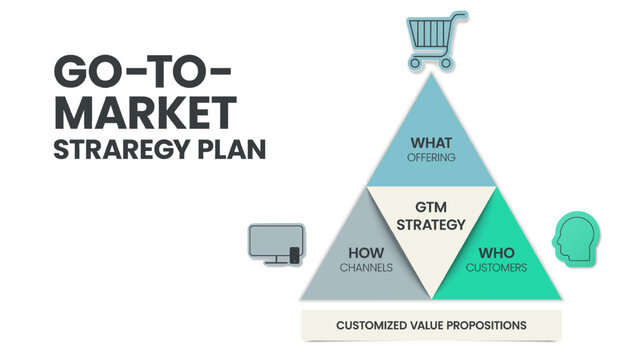
Image courtesy of via Google Images
Types of Sales Channels
There are several types of sales channels you can consider for selling your product:
- Online Stores: Selling your product through an online store allows you to reach a wide audience without the need for a physical storefront. This is great for businesses with a strong online presence.
- Retail Partners: Partnering with retail stores can help get your product in front of customers who prefer to shop in person. This option gives your product visibility on shelves.
- Direct Sales: Selling directly to customers through your own channels gives you full control over the sales process. This can be through your website, social media, or events.
Each sales channel has its own benefits and considerations. Depending on your target market and product type, one may be more effective than others. It’s essential to evaluate your options and choose the channels that align best with your business goals.
Creating a Marketing and Promotion Plan
When you have a great product or service, it’s important to let the world know about it. This is where marketing and promotion come into play. Marketing is all about spreading the word and convincing people to buy what you’re offering. Let’s dive into the basics of how to create a marketing and promotion plan for your product or service.
Fun Ways to Spread the Word
Marketing doesn’t have to be boring! There are many creative ways to promote your product that can be fun and exciting. Here are some ideas for creative marketing tactics that might appeal to a younger audience:
1. Social Media Contests: Engage with your audience on platforms like Instagram or TikTok by hosting contests where they can win prizes by sharing your product with their friends.
2. Influencer Partnerships: Collaborate with popular social media influencers who can help showcase your product to their followers in a fun and engaging way.
3. Storytelling: Share the story behind your product or service in a compelling and relatable way that connects with your target audience on an emotional level.
4. Interactive Experiences: Create interactive experiences like virtual reality demos, interactive websites, or live events that allow customers to engage with your product in a unique way.
By thinking outside the box and having fun with your marketing strategies, you can capture the attention of your audience and generate buzz around your product or service.
Designing an Effective Sales Funnel
When it comes to selling a product or service, having a well-designed sales funnel is crucial for guiding potential customers through the buying process. A sales funnel is a step-by-step journey that prospects go through, from first learning about your product to making a purchase. Let’s delve into the stages of a sales funnel and how they play a key role in your GTM (Go-To-Market) Strategy.
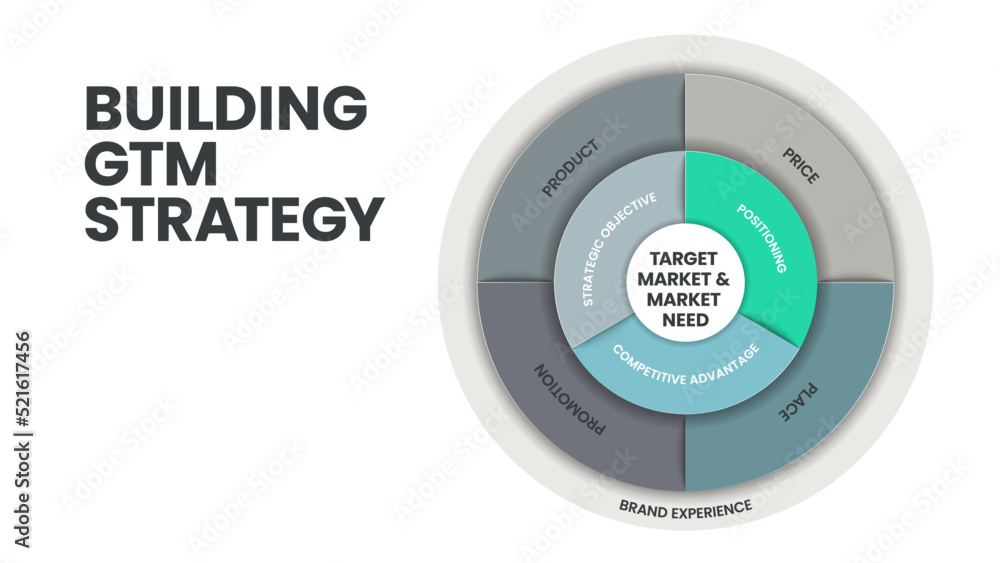
Image courtesy of via Google Images
Stages of a Sales Funnel
The sales funnel typically consists of four main stages: Awareness, Interest, Decision, and Action. Understanding each stage and how they work together is essential for converting leads into customers.
1. Awareness: This is the top of the funnel, where potential customers become aware of your product or service. It’s important to create brand awareness through marketing efforts like social media, content marketing, and advertising.
2. Interest: Once prospects are aware of your product, you need to pique their interest. Highlight the benefits and unique features of your offering to keep them engaged and curious.
3. Decision: In this stage, prospects are evaluating whether your product or service is the right fit for their needs. Provide them with valuable information, customer testimonials, and comparison charts to help them make an informed decision.
4. Action: The final stage is where the actual purchase takes place. Make it easy for customers to buy by offering secure payment options, clear calls-to-action, and a smooth checkout process.
By understanding the stages of a sales funnel and optimizing each step, you can increase conversion rates and drive more sales. Remember, the goal is to guide potential customers seamlessly through the journey, addressing their needs and concerns at each stage.
Building Customer Relationships
In business, just selling a product is not enough. It’s crucial to build lasting relationships with customers to keep them coming back for more. Let’s dive into why this is so important and how you can do it effectively.
Keeping in Touch with Customers
After a customer makes a purchase, it’s essential to stay connected with them. One way to do this is through follow-up emails. These emails can thank customers for their purchase, ask for feedback, or even offer them exclusive deals.
Customer support is another important aspect of building relationships. If a customer has a question or an issue with the product, providing timely and helpful support can leave a lasting positive impression.
Feedback is like a treasure chest for businesses. It helps them understand what customers love about their products and what can be improved. By actively seeking feedback, businesses show customers that their opinions matter.
By keeping in touch with customers through emails, providing excellent customer support, and seeking feedback, businesses can create a bond that goes beyond a simple transaction. These efforts show customers that their satisfaction is a top priority.
Analyzing and Adjusting Your Strategy
When you’ve put together your Go-To-Market (GTM) Strategy and launched your product or entered a new market, the work isn’t over. It’s essential to take the time to analyze how things are going and make adjustments as needed. Let’s explore how you can evaluate your strategy and make improvements along the way.

Image courtesy of via Google Images
Learning From What You Did
It’s crucial to remember that your strategy isn’t set in stone. Sometimes, what you thought would work perfectly may not have the desired outcome. That’s perfectly normal! Take the time to reflect on what you did, what worked well, and what didn’t go as planned. This reflection will help you make informed decisions moving forward.
Conclusion: Bringing It All Together
Everything we’ve talked about today, from understanding your target market to creating a marketing and promotion plan, plays a vital role in a successful GTM (Go-To-Market) Strategy. Each component is like a piece of a puzzle that, when put together correctly, helps your product or service reach its full potential.
The Importance of a GTM Strategy
Just like a recipe needs all the right ingredients to taste delicious, a GTM strategy needs all its components to work in harmony to achieve success. Without a solid foundation in market research, a clear value proposition, a thoughtful pricing strategy, and effective sales and distribution channels, your product might not reach the right audience or meet customer needs.
Connecting with Customers
Building customer relationships and creating a positive customer journey are essential pieces of the puzzle. Keeping in touch with customers, providing excellent support, and constantly seeking feedback help to foster trust and loyalty, making customers more likely to return and recommend your product to others.
Adaptability and Learning
Remember, a GTM strategy is not set in stone. Analyzing your strategy, learning from what works and what doesn’t, and making adjustments along the way are key to continued success. Sometimes, it’s the tweaks and changes that lead to the biggest breakthroughs.
By bringing together all these elements and understanding how they work together, you can create a GTM strategy that sets your product up for success in the market. So, roll up your sleeves, get creative, and start building your own winning strategy!