
Navigating the Digital Landscape: GTM Strategies That Work
Discover the top GTM strategies in the digital landscape that will revolutionize your marketing approach and drive success online.


Table of Contents
- Effective Marketing Strategies for Increasing Brand Awareness
- Accelerating Business Growth
- The Importance of a Go-To-Market (GTM) Strategy
- Key Elements of a Successful GTM Strategy
- Creating a Competitive Edge Through Your GTM Strategy
- Measuring the Success of Your Marketing Efforts
- Growth Hacks for Business Success
- The Role of Brand Positioning in Business Growth
- Common Pitfalls to Avoid in Marketing and Growth Strategies
- Staying Agile in a Dynamic Market
Welcome to our comprehensive guide on Marketing Tips, Growth Tips, and GTM Strategy – all crucial elements in boosting your business’s success in the digital landscape. Whether you’re a seasoned business owner, a marketer looking to enhance your strategies, or a startup founder seeking growth, this FAQ-style blog post is designed to provide you with valuable insights and actionable tips to help you navigate the complexities of the modern market.
Effective Marketing Strategies for Increasing Brand Awareness
Building brand awareness is a fundamental step in establishing a strong market presence. To achieve this, businesses can leverage various marketing strategies:
Social media marketing: In today’s digital age, social media platforms have become powerful tools for reaching and engaging with target audiences. By creating compelling content, running targeted ads, and fostering meaningful interactions with followers, businesses can significantly boost their brand awareness.
Content marketing: Producing high-quality, relevant content that resonates with your target audience can help establish your brand as a thought leader in your industry. Whether it’s blog posts, videos, infographics, or podcasts, content marketing is a cost-effective way to attract and retain customers.
Influencer partnerships: Collaborating with influencers who align with your brand values and target demographic can be a game-changer in expanding your reach and driving brand awareness. Influencers have built loyal followings that trust their recommendations, making them valuable partners in promoting your products or services.
Accelerating Business Growth
To accelerate growth, businesses must implement strategies that drive revenue, expand their customer base, and increase market share. Some key tactics include:
Referral programs: Encourage satisfied customers to refer their friends and family to your business in exchange for incentives. Referral programs can generate high-quality leads at a low cost, leveraging the power of word-of-mouth marketing.
Optimizing the customer journey: Analyze every touchpoint of the customer journey, from awareness to conversion to retention. By identifying pain points and opportunities for improvement, businesses can streamline the buying process and enhance the overall customer experience.
Leveraging data analytics: Data-driven decision-making is essential for business growth. By analyzing customer behavior, market trends, and performance metrics, businesses can identify areas for optimization and develop targeted strategies for growth.
The Importance of a Go-To-Market (GTM) Strategy
A Go-To-Market strategy is a roadmap that outlines how a business will bring its products or services to market and drive customer acquisition. Here’s why a GTM strategy is crucial:

Image courtesy of www.vecteezy.com via Google Images
Efficient product launch: A well-defined GTM strategy ensures a smooth and successful product launch, maximizing the impact of new offerings in the market.
Market positioning: By clearly defining target markets, customer segments, and value propositions, businesses can differentiate themselves from competitors and attract the right customers.
Channel optimization: A GTM strategy helps businesses identify the most effective distribution channels to reach their target audience, whether it’s through direct sales, partnerships, or online marketplaces.
Key Elements of a Successful GTM Strategy
A successful GTM strategy comprises several key elements that work together to drive market growth and customer acquisition:
Target market identification: Define your ideal customer profile and segment the market based on demographics, psychographics, and buying behaviors.
Product positioning: Clearly communicate the unique value proposition of your products or services and differentiate them from competitors in the market.
Distribution channels: Determine the most effective channels to reach your target audience, whether it’s through direct sales, retail partnerships, e-commerce platforms, or other distribution channels.
Creating a Competitive Edge Through Your GTM Strategy
To stay ahead of the competition and gain a competitive edge in the market, businesses can implement the following strategies:
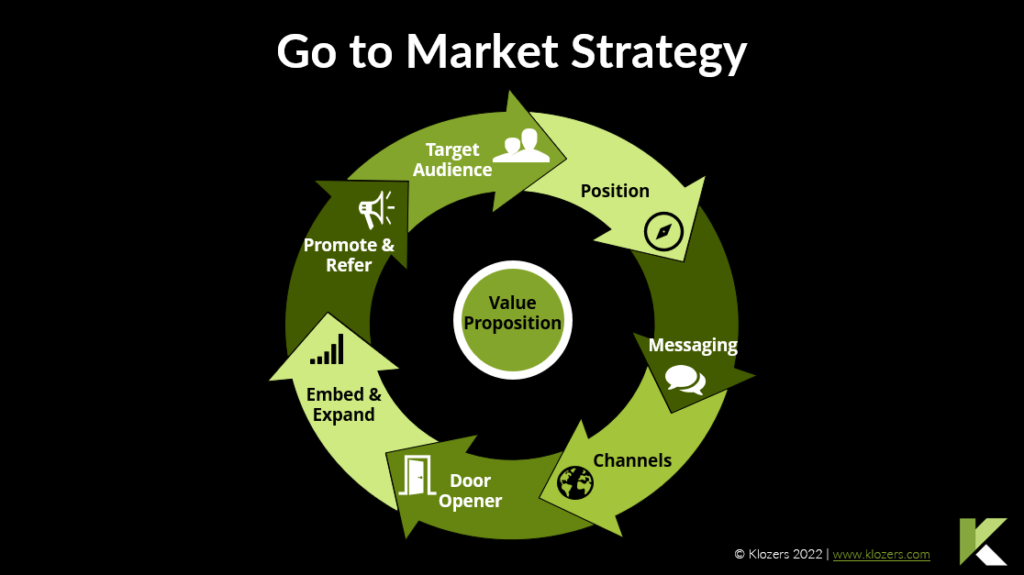
Image courtesy of www.klozers.com via Google Images
Differentiation strategies: Identify what sets your business apart from competitors and leverage those unique selling points to attract and retain customers.
Pricing strategies: Develop pricing strategies that align with your value proposition and target market, whether it’s through competitive pricing, value-based pricing, or tiered pricing models.
Customer acquisition tactics: Implement targeted marketing campaigns, lead generation initiatives, and conversion optimization strategies to acquire new customers and grow your customer base.
Measuring the Success of Your Marketing Efforts
Tracking and measuring the success of your marketing efforts is essential for optimizing performance and driving business growth. Some key metrics to consider include:
ROI (Return on Investment): Calculate the return on investment for your marketing campaigns to assess their effectiveness in generating revenue and profit.
Customer acquisition cost: Analyze how much it costs to acquire a new customer, allowing you to optimize marketing spend and improve acquisition strategies.
Customer lifetime value: Determine the lifetime value of a customer to understand the long-term potential value of acquiring and retaining customers.
Growth Hacks for Business Success
Businesses can implement growth hacks – clever, unconventional strategies – to accelerate growth and achieve success:

Image courtesy of www.infotech.com via Google Images
Partnership initiatives: Collaborate with industry partners, influencers, or complementary businesses to expand your reach and access new customer segments.
Enhancing customer experience: Prioritize customer satisfaction by providing exceptional service, personalized interactions, and seamless buying experiences that foster loyalty and advocacy.
Optimizing conversion rates: Improve website usability, design compelling CTAs, and A/B test marketing campaigns to optimize conversion rates and drive more leads and sales.
The Role of Brand Positioning in Business Growth
Brand positioning – how your brand is perceived in the market relative to competitors – plays a crucial role in driving business growth:
Brand messaging: Craft a clear and compelling brand message that resonates with your target audience and communicates your brand values and unique selling points.
Brand identity: Develop a strong brand identity through cohesive visuals, messaging, and storytelling that create a memorable and authentic brand experience for customers.
Brand consistency: Ensure consistency in brand messaging, visuals, and customer interactions across all touchpoints to build trust, credibility, and brand loyalty.
Common Pitfalls to Avoid in Marketing and Growth Strategies
When implementing marketing and growth strategies, businesses should be aware of common pitfalls that can hinder success:
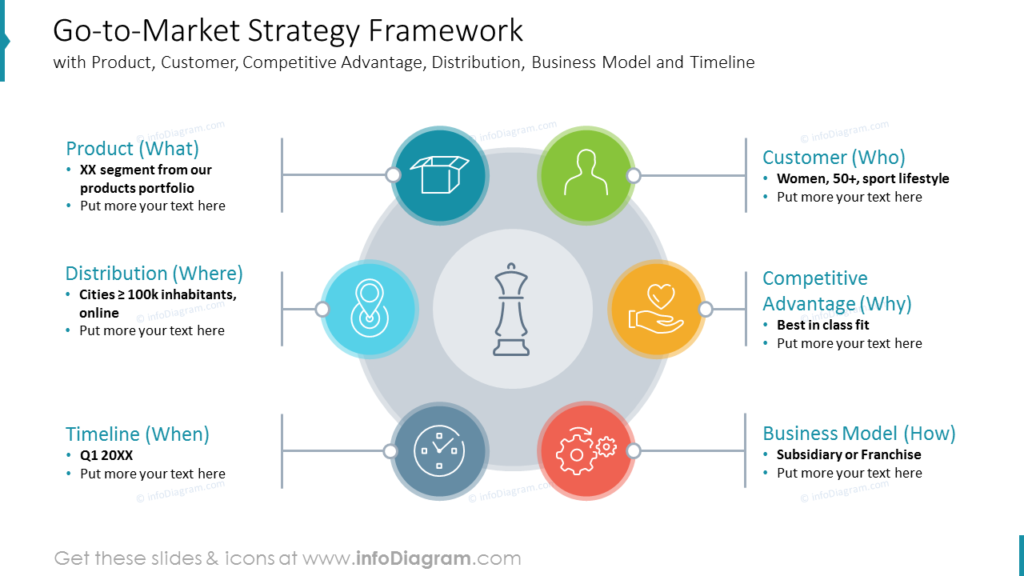
Image courtesy of blog.infodiagram.com via Google Images
Lack of market research: Failing to conduct thorough market research can lead to misaligned strategies, missed opportunities, and ineffective campaigns.
Ineffective communication: Poor communication within teams, with customers, or across marketing channels can result in confusion, missed messages, and lost opportunities for engagement.
Failure to adapt to market trends: Ignoring or resisting market trends, consumer preferences, or industry developments can cause businesses to fall behind the competition and miss out on growth opportunities.
Staying Agile in a Dynamic Market
To succeed in a constantly evolving market, businesses must stay agile and adapt their strategies to changing conditions:
Continuous learning: Stay informed about industry trends, consumer behavior, and emerging technologies through ongoing education, networking, and research.
Experimentation: Test new strategies, channels, and tactics to gather data, learn from successes and failures, and iterate on marketing and growth initiatives.
Staying informed: Monitor market trends, competitor activities, and customer feedback to make data-driven decisions and pivot strategies as needed to remain competitive and relevant.
By implementing these marketing tips, growth tips, and GTM strategies effectively, businesses can navigate the digital landscape with confidence, drive business growth, and achieve long-term success in today’s competitive market.