
The Ultimate Guide to Unleashing Your Creativity
Unlock the secrets of your creative potential with our ultimate guide to unleashing your imagination and transforming your ideas into reality.


Table of Contents
Marketing is an essential aspect of any business, and having a well-thought-out Go-To-Market (GTM) strategy can significantly impact your marketing growth. In this blog post, we will explore how to create an effective GTM strategy to drive your business forward.
Introduction to GTM Strategy
A GTM strategy is a comprehensive plan that outlines how a company will reach target customers and achieve competitive advantage. It encompasses the entire process of bringing a product to market, including product positioning, marketing strategy, sales approach, and customer engagement.
Conduct Market Research
Before developing a GTM strategy, it is crucial to conduct thorough market research to understand your target audience, market trends, and competition. By gaining insights into these key areas, you can tailor your strategy to effectively reach and engage potential customers.
Identifying your target audience involves defining the demographics, psychographics, and buying behaviors of your ideal customers. This information will guide your messaging and marketing tactics to resonate with your target audience.
It is also essential to analyze market trends and competition to identify opportunities and threats in the marketplace. Understanding what your competitors are doing can help you differentiate your offering and position it effectively in the market.
Set Marketing Goals
Setting specific, measurable goals is crucial for the success of your GTM strategy. These goals should align with your overall business objectives and provide a clear direction for your marketing efforts.
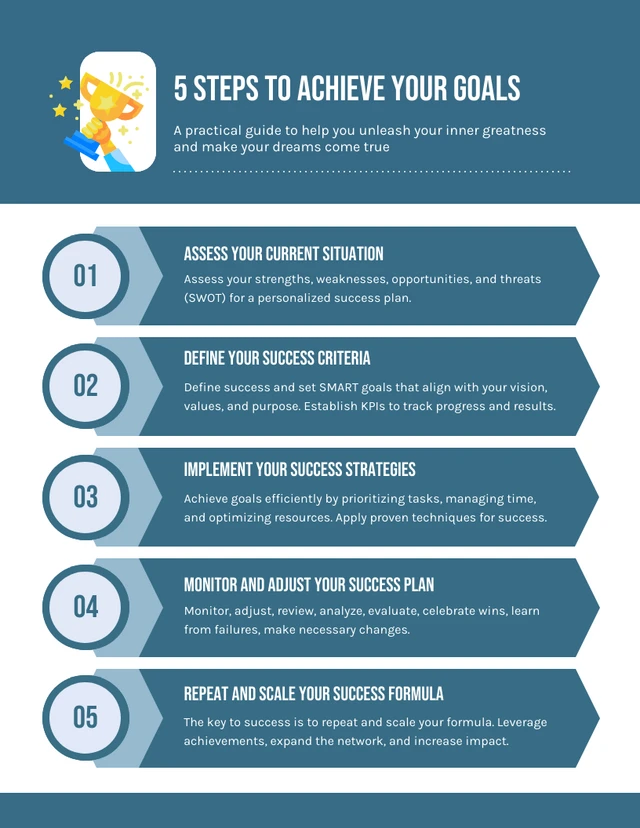
Image courtesy of venngage.com via Google Images
When establishing marketing goals, consider metrics such as lead generation, conversion rates, customer acquisition costs, and revenue targets. By setting clear goals, you can track your progress and make informed decisions to drive marketing growth.
Develop the Marketing Plan
Once you have conducted market research and set marketing goals, it is time to develop a detailed marketing plan that outlines your GTM strategy. This plan should encompass all aspects of your marketing efforts, including tactics, channels, budget allocation, and resource requirements.
When creating your marketing plan, consider the various marketing tactics and channels available to reach your target audience. Whether you choose digital marketing, content marketing, social media, or traditional advertising, ensure that your tactics align with your goals and messaging strategy.
Define Sales Channels
Identifying the most effective sales channels is essential for the success of your GTM strategy. Whether you choose direct sales, channel partners, online sales, or a combination of these channels, it is crucial to leverage each channel to reach and engage your target audience.

Image courtesy of www.linkedin.com via Google Images
When determining sales channels, consider factors such as reach, cost, and customer preferences. By selecting the right mix of sales channels, you can optimize your sales efforts and drive marketing growth.
Create a Messaging Strategy
A compelling messaging strategy is key to capturing the attention of your target audience and differentiating your offering in the market. Your messaging should communicate your unique value proposition and resonate with your customers’ needs and aspirations.
To develop a messaging strategy, consider your brand voice, tone, and key messaging points. Crafting consistent messages across all marketing materials will help build brand awareness and loyalty among your target audience.
Implement Marketing Tactics
With your GTM strategy in place, it is time to implement your marketing tactics and campaigns. Whether you choose inbound marketing, outbound marketing, or a combination of both, ensure that your tactics align with your goals and messaging strategy.

Image courtesy of inkbotdesign.com via Google Images
Launching marketing campaigns requires careful planning, execution, and monitoring. By tracking the performance of each tactic, you can identify areas of strength and weakness and make data-driven adjustments to optimize your marketing efforts.
Evaluate and Adjust
Once your marketing tactics are up and running, it is essential to evaluate their performance and make adjustments as needed. Analyzing the results of your marketing efforts will help you identify what is working well and what areas need improvement.
By making data-driven adjustments to your GTM strategy, you can optimize your marketing efforts and drive growth in your business. Continuous evaluation and adjustment are key to staying ahead of the competition and achieving long-term success.
Build Relationships
Fostering relationships with customers and key stakeholders is essential for the success of your GTM strategy. By engaging with your audience, collecting feedback, and addressing their needs, you can build loyalty and trust that will drive repeat business and referrals.
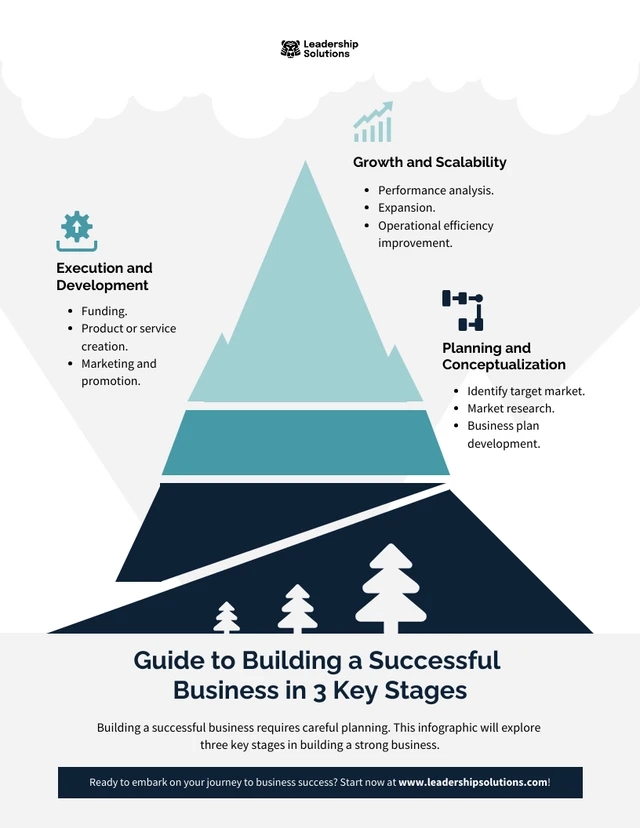
Image courtesy of venngage.com via Google Images
Listening to your customers and responding to their feedback can provide valuable insights for improving your products, services, and marketing efforts. By building strong relationships with your audience, you can create brand advocates who will help promote your business to others.
Measure Success
Tracking key performance indicators (KPIs) is essential for measuring the success of your GTM strategy. By monitoring metrics such as lead generation, conversion rates, and ROI, you can gauge the effectiveness of your marketing efforts and make informed decisions to drive growth.
Celebrating achievements and identifying areas for further growth are crucial steps in the success of your GTM strategy. By measuring success and setting new goals, you can continue to evolve and improve your marketing efforts to drive long-term success in your business.
Creating an effective GTM strategy requires careful planning, execution, and monitoring. By following these steps and leveraging the power of data-driven insights, you can unleash the full potential of your marketing efforts and achieve sustainable growth in your business.