
10 Proven GTM Strategies for Startups
Uncover the secrets to successful market penetration with these 10 proven GTM strategies designed specifically for startups. Ready to learn?


Table of Contents
Introduction to GTM Strategies
When you’re starting a new business, it can feel like you’re embarking on a grand adventure. You have a fantastic product or service to offer, but how do you make sure the right people know about it? This is where GTM strategies come in. GTM, which stands for Go-To-Market, is like a treasure map that guides you through the exciting journey of launching your business and reaching your customers.
What is a GTM Strategy?
A GTM strategy is a game plan that helps businesses like yours when they start selling their products or services. It’s all about figuring out how to best introduce what you have to offer to the world. Think of it as your roadmap to success, showing you the best route to take to reach your goals and make a splash in the market.
The Importance of GTM for Startups
For new companies just getting started, having a solid GTM strategy is essential. It’s like having a secret weapon that gives you an edge in the competitive business world. With a well-thought-out plan in place, you’ll be able to make friends in the business playground, attract customers, and set yourself up for long-term success.
Knowing Your Playground
When you decide to sell something, it’s important to understand where you’re going to sell it. This is what we call “market entry.” Knowing your playground means knowing the people who might buy your stuff and who else is selling similar things.
Researching Your Market
Researching your market is like being a detective. You need to find out who your potential customers are, what they like, and how much they are willing to pay for your stuff. This helps you understand how to make your stuff appealing to them.
Identifying Your Competition
Just like in a game, it’s crucial to know who else is playing. By identifying your competition, you can learn from them, see what they are doing well, and find ways to make your stuff stand out. Competition can also inspire you to work harder and come up with new ideas.
Crafting Your Message
When you have something awesome to offer, the way you talk about it can make all the difference. Crafting your message means choosing the right words and images to show how amazing your stuff is.
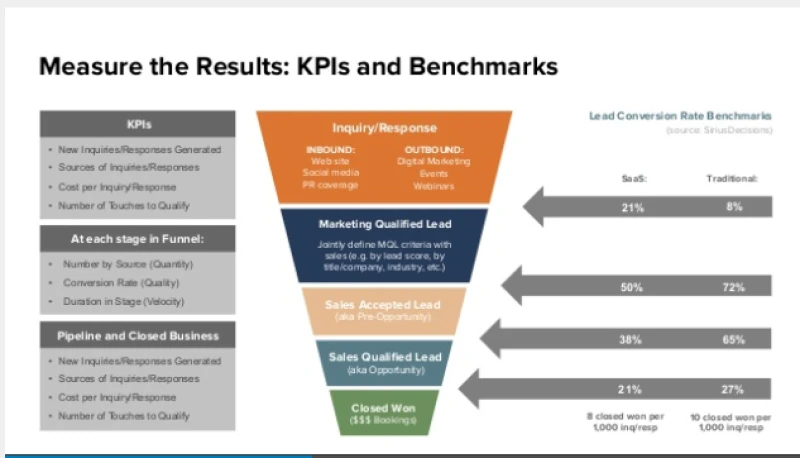
Image courtesy of upscope.com via Google Images
Creating a Strong Value Proposition
Your value proposition is like a shiny sign that tells everyone why your stuff is worth buying. It’s a promise that says, “Hey, I have something fantastic that you need!” Make sure your value proposition highlights what makes your stuff unique and valuable to your customers.
Developing Key Messaging
Key messaging is all about using the perfect words to make your stuff stand out. Think about what sets your product apart from the rest and craft messages that showcase those special qualities. Whether it’s through catchy slogans, compelling stories, or captivating visuals, your messaging should make people eager to learn more about your stuff.
Choosing the Right Channels
When it comes to letting people know about the cool stuff you’re selling, you have many options. Some ways involve the internet, while others happen in the real world. Let’s take a closer look at the different channels you can use to spread the word about your products or services.
Online vs. Offline Channels
Online channels are like the highways of the internet where you can reach lots of people from all around the world. You can use websites, social media platforms, emails, and online ads to tell people about your stuff. On the other hand, offline channels involve things like flyers, billboards, events, and even good old-fashioned word-of-mouth. The key is to find the right balance between online and offline channels that work best for reaching your target audience.
Picking Platforms That Fit Your Audience
It’s essential to figure out where the people who are interested in your products or services spend their time. For example, if you’re selling trendy clothes, platforms like Instagram or TikTok might be the way to go since many fashion-savvy individuals hang out there. If you’re offering services for older adults, traditional methods like newspapers or local community events could be more effective. By selecting the right platforms that fit your audience, you can make sure your message reaches the right people at the right time.
Setting Goals and Measuring Success
When you start selling your stuff, it’s important to know exactly what you want to achieve. This could be selling a certain number of items, making a specific amount of money, or becoming the most popular in your market. These clear goals will guide your actions and keep you focused on what you want to accomplish.
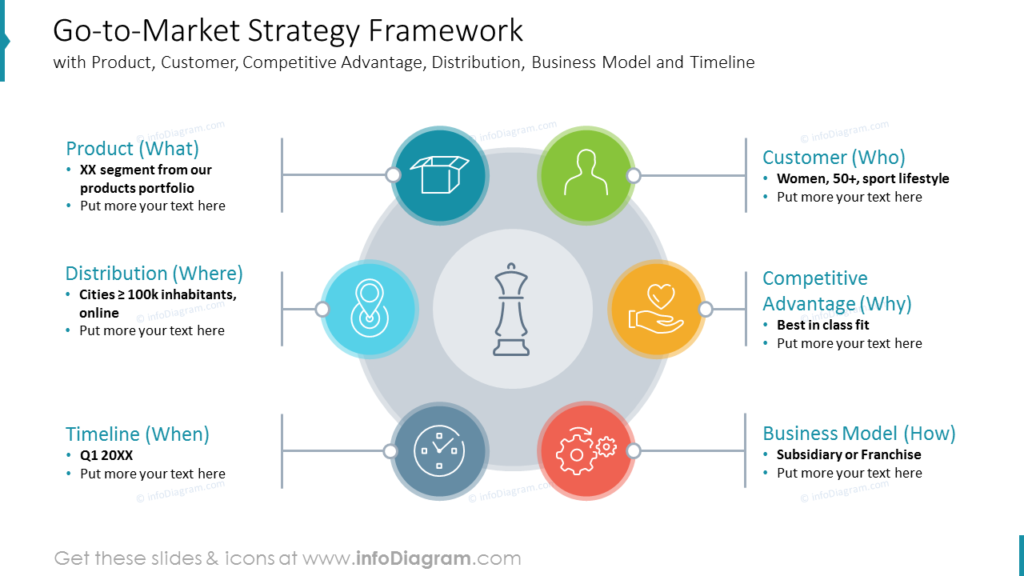
Image courtesy of blog.infodiagram.com via Google Images
Tracking and Analyzing Results
Once you have set your goals, it’s essential to track your progress and analyze how well you are doing at reaching them. You can do this by keeping records of your sales, customer feedback, and other key metrics to see if you are on the right track. By regularly checking in on your progress, you can make adjustments to your strategies to improve your results and achieve your goals more effectively.
Budgeting Wisely for your GTM
When you’re starting a business, one of the most important things to think about is how you’ll use your money to help sell your products or services. Let’s talk about how you can budget wisely for your Go-To-Market (GTM) plan to make sure you’re spending your money in the best way possible.
Allocating Funds Effectively
It’s essential to divide your funds strategically to support different aspects of your GTM strategy. You might need to set aside money for product development, marketing, advertising, and other expenses. By allocating your funds effectively, you can ensure that each part of your plan gets the financial support it needs to succeed.
Keeping Costs Down
While it’s important to invest in your business, it’s also crucial to find ways to keep your costs under control. Look for cost-effective solutions when it comes to things like advertising, packaging, and distribution. By keeping your expenses in check, you can make sure that you’re not overspending and that your budget is being used wisely.
Timing Your Market Entry
Deciding when to start selling your products or services can be as important as how you sell them. Let’s explore the best timing strategies to make sure people are eager to buy what you have to offer.
Image courtesy of www.lean-labs.com via Google Images
Seasonality and Market Trends
Consider the time of year and what’s trendy in the market when planning your launch. For example, if you’re selling ice cream, summer might be the best time to start. If you’re offering holiday-themed products, make sure to launch them before the holiday season kicks in.
Coordinating with Events and Holidays
Take advantage of special events and holidays to boost your sales. Plan your market entry around occasions like Valentine’s Day, Halloween, or back-to-school season. People are often more willing to buy during these times, so aligning your launch with these events can give your business a significant boost.
Leveraging Partnerships and Networks
Partnerships can be like teaming up with a superhero who has powers you don’t have. When you find the right partners, you can do amazing things together. It’s like having a friend who helps you sell your stuff to even more people. You want to choose partners who believe in your stuff and can reach customers you might not be able to on your own. It’s all about working together to make everyone happy.
Building Strong Relationships
Just like making friends on the playground, building strong relationships with your business partners is super important. You want to be nice, helpful, and reliable so they keep helping you sell your stuff. Communication is key – you need to talk to your partners and listen to what they have to say. When everyone gets along and works together well, it’s like magic for your business. Strong relationships can help you grow faster and reach more people who might want to buy your awesome stuff.
Continuous Learning and Iteration
When you start selling your stuff, not everything might go perfectly. But that’s okay! It’s important to listen to what people say about your products or services. Maybe they think your candy should be sweeter, or your toy should be a different color. By paying attention to their feedback, you can learn how to make your stuff even better!

Image courtesy of blog.hubspot.com via Google Images
Making Adjustments to Your GTM Strategy
Sometimes, you might need to change your plan to sell more of your stuff. This could mean trying out new ways to tell people about your products, or adjusting the prices to attract more customers. By being flexible and willing to make changes, you can improve your chances of success and keep growing your business.
Conclusion: Ready, Set, Launch!
In our exploration of GTM strategies, we have uncovered the secrets to successfully launching a new business. Now, armed with our treasure map of GTM planning, we are ready to set sail into the exciting world of entrepreneurship. Let’s wrap up our journey with a final cheer and a summary of our adventure through the realms of GTM strategies.
Putting Your GTM Strategy into Action
As you embark on your business venture, remember that the key to success lies in taking action. It’s time to put all that you’ve learned into practice and start spreading the word about your amazing products or services. Embrace the thrill of launching your business and watch as your dreams take flight!